The Craft
Why this takes so long, on purpose
Pashmina starts above the snow line and ends, months later, at the point of one needle. Every stage takes exactly as long as it needs, by design.
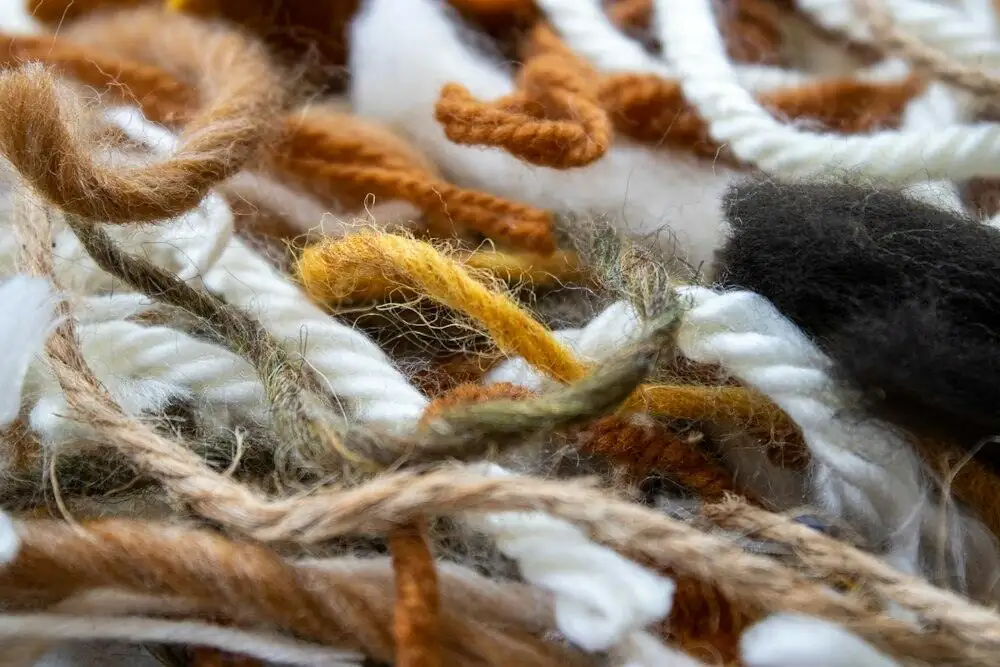
Where it comes from
A textile older than the word "luxury"
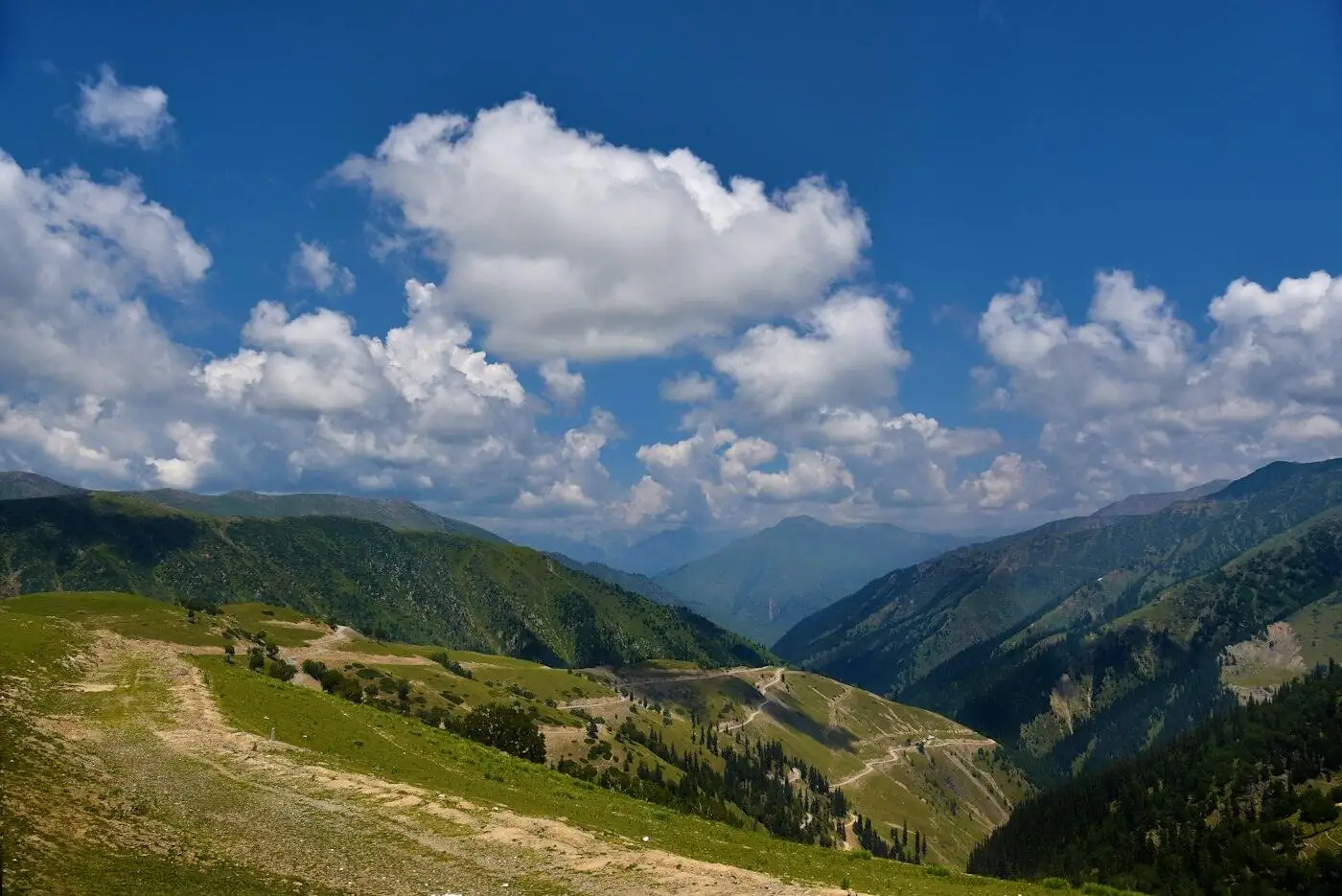
Origins on the high plateau
Changthangi goats have grown this undercoat in the cold of the Changthang plateau for longer than anyone can date precisely. Kashmiri spinners and weavers were already turning it into cloth before any court thought to notice, before there was a market to notice it for.
Formalised, and made courtly
Kashmir's shawl workshops are widely credited to the Mughal court, when pashmina became a textile of rank, gifted between rulers, inventoried like treasure, worn into portraits that still hang in museums. It was never just cloth. It was a way of saying who mattered.
Named for somewhere else
European demand carried the shawls from Srinagar to Paris and beyond. Manufacturers in Paisley, Scotland began mass-producing printed imitations of the Kashmiri boteh motif, cheap enough, and made in such volume, that the pattern kept the mill town's name instead of the valley's. It still does.
A craft that nearly disappeared
Partition, conflict, and decades of cheap synthetic “pashmina-style” goods pushed hand-spinning and kani weaving toward the edge. The yinder wheel and the kani toji spool became skills fewer hands held with each passing generation, and exactly why the protections below exist today.
Protected, and still made by hand
Kashmir Pashmina now carries a Geographical Indication tag in India, reserved for wool that is hand-spun and handwoven in the Kashmir valley. We buy only from workshops that qualify, and we say so on every product card, not because the law requires the disclosure, but because the alternative is asking you to trust us blind.
How it's made
Five stages, none of them shortened
Sourcing
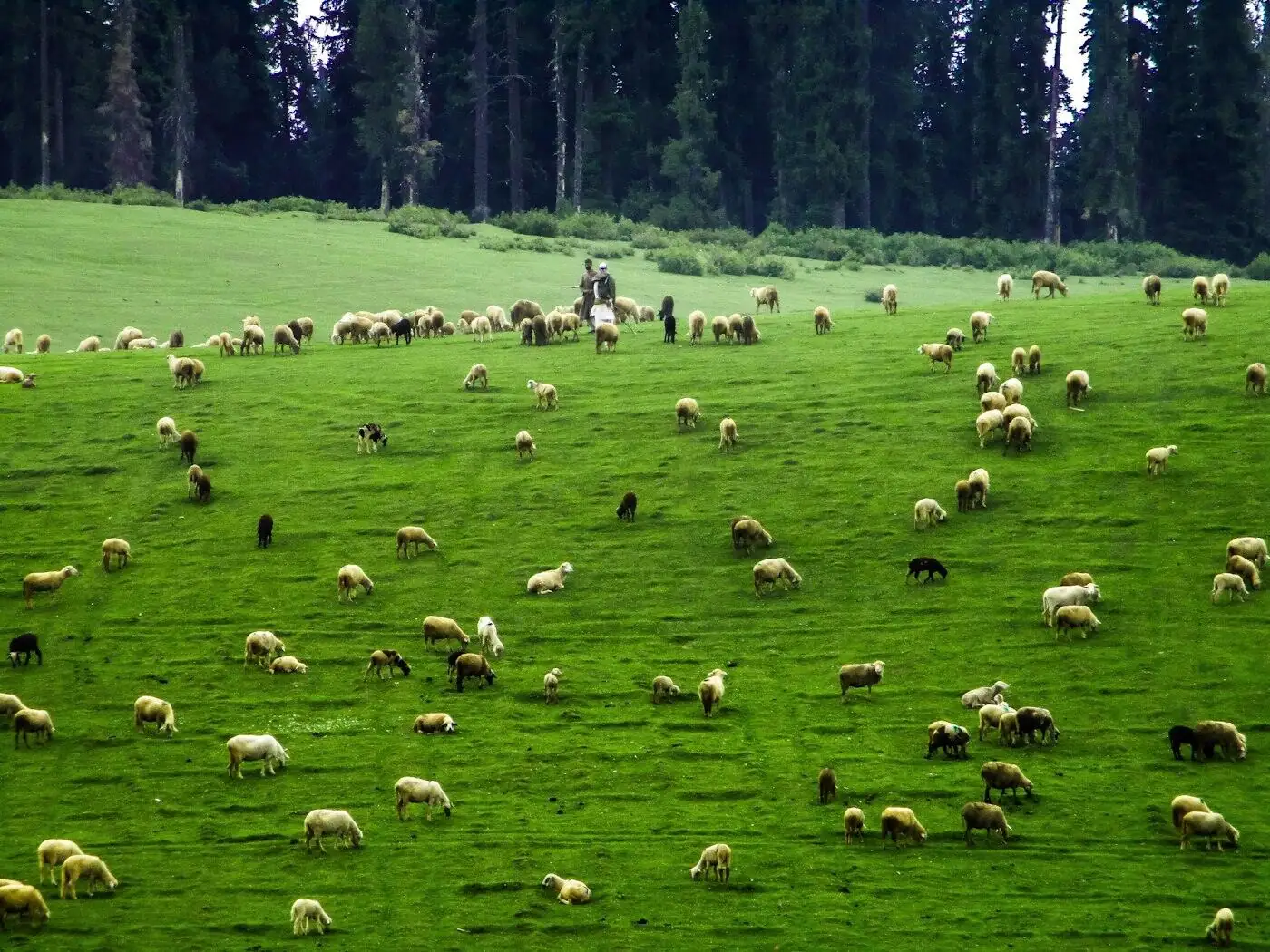
Combed, not sheared, each spring from Changthangi goats grazing above 12,000 ft on the Changthang plateau. The animal walks away exactly as it arrived.
Hand-spinning
The combed pashm is cleaned, carded, and spun by hand on a yinder, a wooden wheel, nothing more complicated than that. Machines spin faster, but they break this fibre. Hand-spinning is slower, and it's the only way the thread survives intact.
Handloom weaving
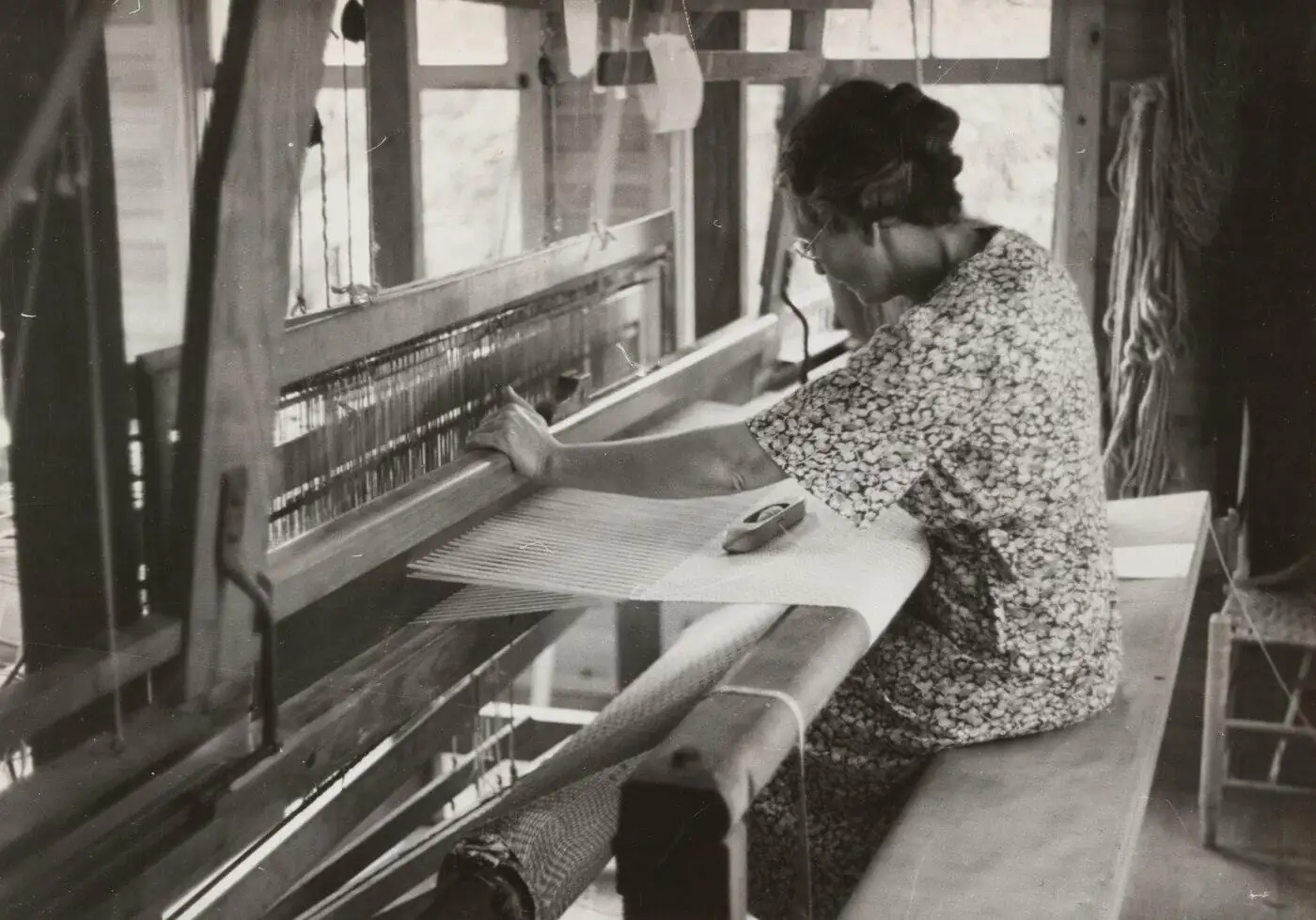
Spun yarn goes onto a pit loom and is woven by hand, one throw of the shuttle at a time, or, for kani work, built pattern by pattern with small wooden spools instead of a shuttle at all. There is no faster version of this stage.
Sozni & tilla embroidery
Needlework fine enough that it's worked from the reverse of the cloth, so no knot ever shows on the front. Tilla adds flattened metallic thread, couched on top rather than stitched through, a different hand, a different skill.
Finishing & authentication
Washed, hand-pressed, and checked against the burn and ring tests that separate real pashmina from synthetic or blended 'pashmina-style' goods. The last gate before it ships, and the only one we control completely.
Four techniques, one vocabulary
What actually separates them
Hover or tap a technique for the one fact that actually differentiates it, hours and density, not just a name.
Sozni
Needlework fine enough to be worked from the cloth's reverse, so no knot ever shows on the front.
Detail →Tilla
Flattened metallic thread, couched on top of the cloth rather than stitched through it.
Detail →Kani
Tapestry-twill weave, the pattern built thread by thread with wooden spools instead of a shuttle.
Detail →Ari
Hook-drawn chain stitch, worked from the front of the cloth rather than the back.
Detail →Try it yourself
A kani loom, in miniature
A playable sketch of the idea, not a literal simulation: real kani work is planned from a talim chart and built thread by thread over weeks, using a small wooden spool, a toji, worked back and forth by hand instead of a shuttle. Pick a thread below and drag it across the warp. Slowly is the only speed it comes in, here too.
Prefer to see the whole loom? Step into a 3D atelier, drag the shuttle yourself →
Where in Kashmir
Three ateliers, three specialties
Srinagar's craft neighbourhoods have specialised by technique for generations, and our three partner ateliers still sit in that older geography rather than a single consolidated factory floor. It's slower to coordinate across three workshops than one, we keep it that way because the specialisation is real, not a marketing distinction.
Zaina Kadal Atelier
Named for the Zaina Kadal quarter of the old city, this atelier is where our sozni and tilla work is done, needlework and metal-thread couching, the two techniques traditionally kept for a household's finest pieces.
Rainawari Ateliers
In Rainawari, our hand-spinners work the yinder wheel and our ari embroiderers work the hook, spinning and a faster, bolder surface technique sitting side by side under one roof.
Nowhatta Workshop
Near Nowhatta, our kani weaving happens on pit looms, the slowest and most memory-dependent technique we work with, entirely by pattern, no shuttle, no chart.
Read more about how we work with each atelier, and how artisans are paid →
On the record
Registered, and checkable
Every piece is made in Kashmir by registered artisans working through GI Authorised User workshops. For any piece, we will give you the Authorised User registration number and the artisan registration details on request, so you can check them yourself rather than take our word for it.
Buying pashmina
Pashmina, cashmere, merino, or synthetic, how to tell them apart
All four get called "pashmina" by someone trying to sell you something. Only one of them actually is.
| Compared on | Pashmina (hand-spun) | Cashmere | Merino wool | Synthetic "pashmina-style" |
|---|---|---|---|---|
| Source | Changthangi goat, hand-combed | Other cashmere goats, often machine-combed | Merino sheep, shorn | Viscose, acrylic, or polyester blends |
| Fibre diameter | 12–14 microns | 14–19 microns | 17–24 microns | Not a natural-fibre measure |
| Spinning | Hand-spun on a yinder | Usually machine-spun | Machine-spun | Machine-spun or extruded |
| Weave | Handloom, one throw at a time | Often power loom | Power loom | Power loom |
| Feel over years | Softens; holds warmth at very low weight | Softens; heavier for the same warmth | Durable but coarser | Pills, loses loft |
| Typical shawl weight | 100–200g | 150–250g | 200–300g | Often heavier still |
| May legally be called "Kashmir Pashmina" | Yes, when hand-spun & handwoven in Kashmir | No | No | No |
General guidance, not a guarantee, always ask a seller directly for fibre content and, where relevant, GI certification.
Sourcing for a collection, not a wardrobe? Read the full technical dossier for designers & brands →
Want the full 500-year story, plus why shahtoosh isn't pashmina at all? Read The Pashmina Guide →